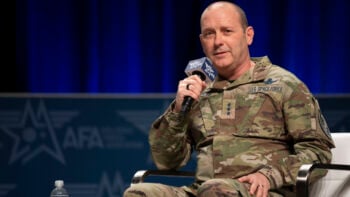
Schiess likely to sail through Space Force chief confirmation
"Being non-controversial is not a bad thing," said Sen. Angus King, I-Maine, noting that the low turnout at the SASC hearing was a "compliment" to CSO nominee Lt. Gen. Doug Schiess.
"Being non-controversial is not a bad thing," said Sen. Angus King, I-Maine, noting that the low turnout at the SASC hearing was a "compliment" to CSO nominee Lt. Gen. Doug Schiess.
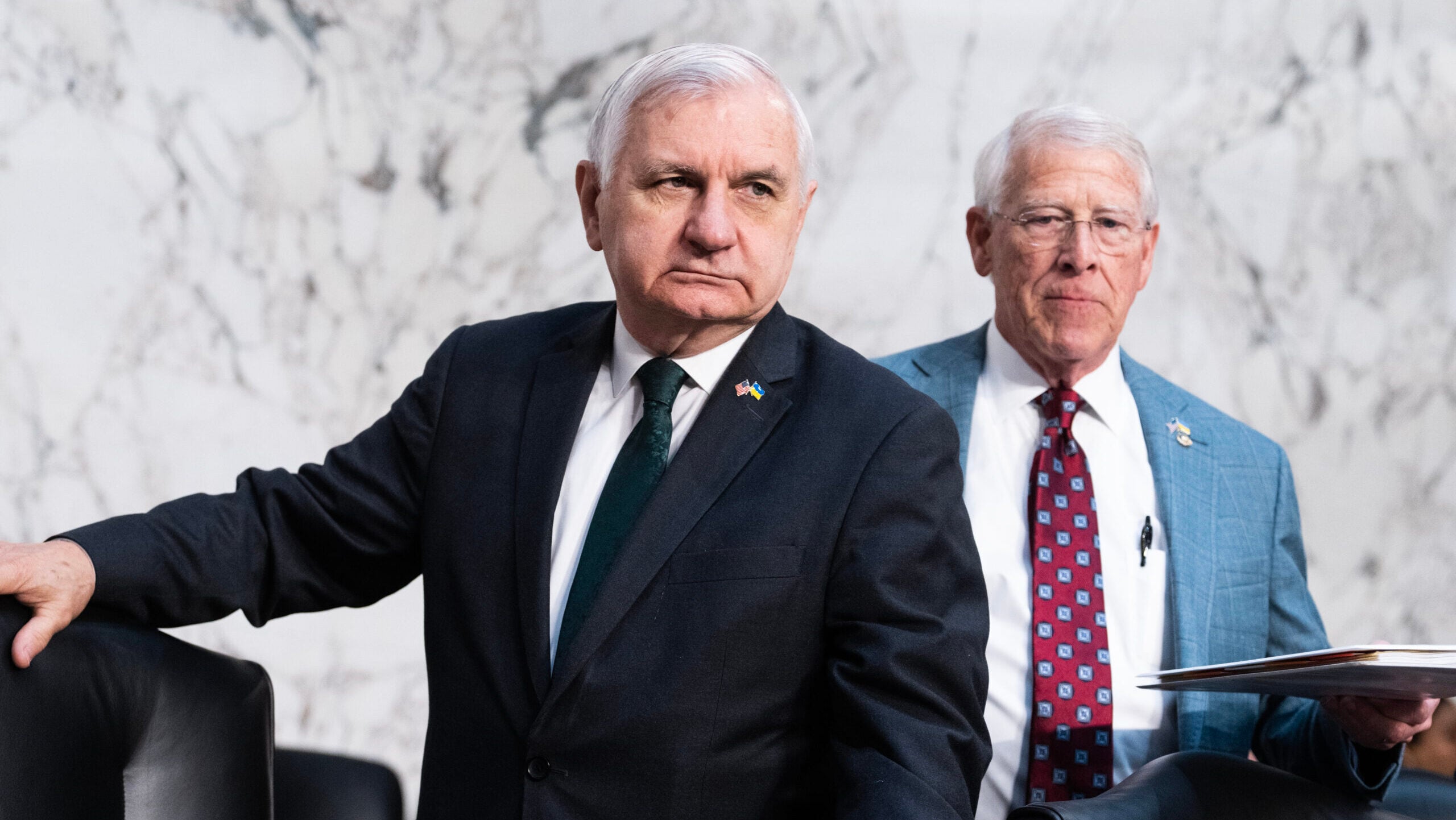
SASC Ranking Member Jack Reed, D-R.I., told Breaking Defense settling the budget would be the most "practical step" and that lawmakers could "revive" the legislation quickly if "stars align."


Army vehicles like Bradley need greater power at the sprocket for speed, braking, and manueverability.

The US seems stuck on the fence about whether to abandon or commit to the Lebanese military, and until it picks a side, little is likely to change in the regional conflict with Hezbollah, writes Bilal Saab.

Why one key lawmaker says he's 'troubled' by Energy Department plans to produce a special warhead on schedule.
Congress has teed up a second reconciliation bill with immigration enforcement money, but future reconciliation funds for defense remain nebulous.
“Why do we suddenly have a two part budget where this committee and the Congress generally has oversight and input, to a process where a corner of the budget is essentially a slush fund?” asked Sen. Angus King, I-Maine, during a SASC hearing.


A commitment to long-term operational value.
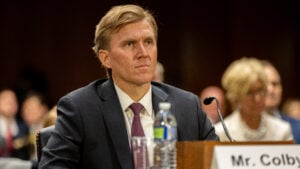
“In effect, it obfuscates the threat posed by the Chinese Communist Party, and they are our pacing threat,” Sen. Roger Wicker said today.
At a Senate Armed Services Committee hearing, a defense official said the deal helps reconcile “a failed market-based approach” to address pressing national security concerns.
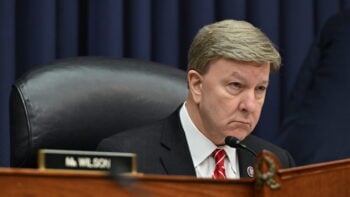
House Armed Services Committee Chairman Mike Rogers told Breaking Defense the next NDAA will focus on expanding the defense industrial base.
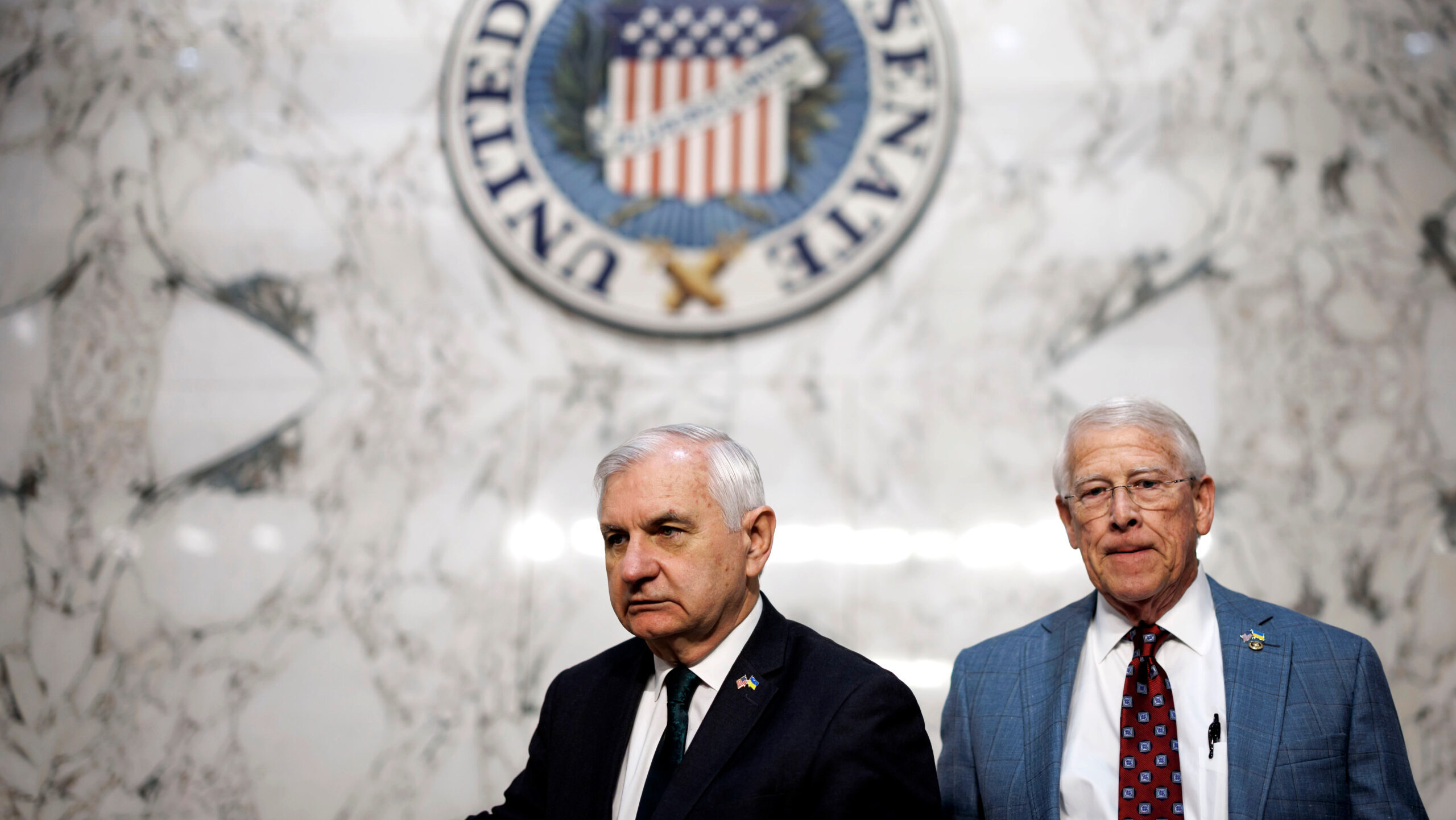
Senators voted 77-20 to approve the National Defense Authorization Act, moving the bill forward on a largely bipartisan basis.


A decorated combat aviator and biotech CEO advocates preparing for novel viral threats before the next crisis.
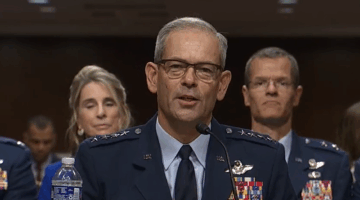
Air Force Chief of Staff nominee Gen. Kenneth Wilsbach also left the fate of the Air Force's wide-ranging "reoptimization" overhaul in the air.

DoD's John Noh appeared before lawmakers, as they voiced concerns over America's Indo-Pacific stance.
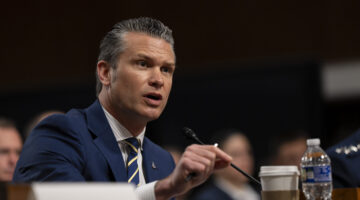
Unlike a traditional budget, military funds from the One Big Beautiful Bill come with fewer legal strings attached for how the money is spent, prompting lawmakers to collect public pledges.

The heavy reliance on reconciliation to fund staple shipbuilding programs has rubbed both senior Republican and Democratic lawmakers the wrong way.